
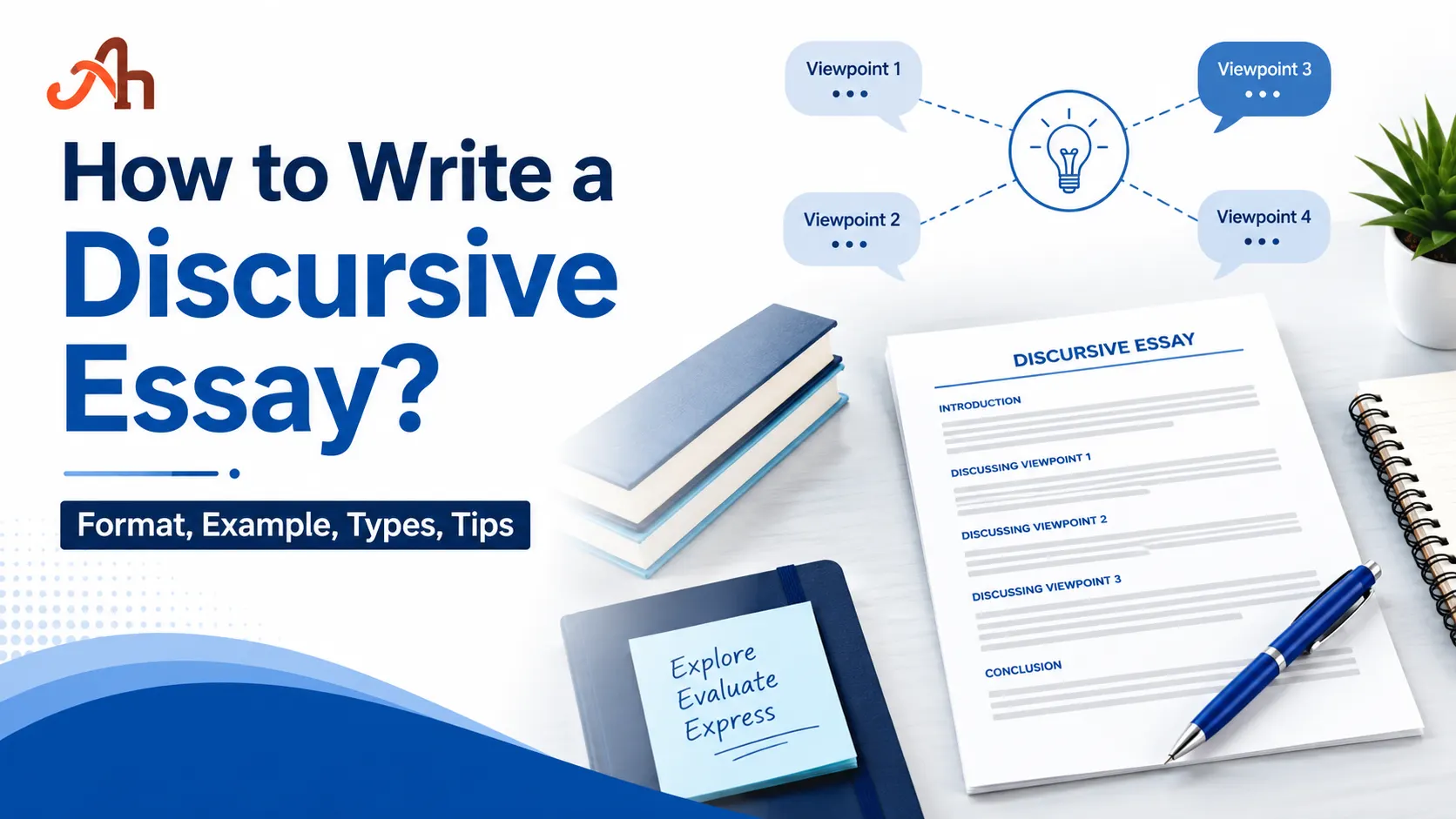
A discursive essay is one of the most commonly assigned academic tasks — and one that students often find confusing. Unlike a persuasive essay that argues one side, a discursive essay explores multiple perspectives on a topic in a balanced and structured way. Whether you need essay writing help or want to master the format yourself, this guide breaks down everything — the structure, types, examples, and practical tips — so you can write a discursive essay with clarity and confidence.
What Is a Discursive Essay?
A discursive essay is a formal piece of academic writing that presents arguments and counter-arguments about a specific topic or issue. It does not necessarily take a one-sided approach; instead, it considers different viewpoints, weighs the evidence, and presents a well-rounded discussion.
This type of essay is frequently assigned in schools, colleges, and universities across disciplines like English, sociology, law, and humanities. Students are evaluated on their ability to think critically, structure their arguments, and use evidence effectively.
Types of Discursive Essays
Understanding which type of discursive essay you need to write is the first step. There are three main types:
1. For and Against Essay
This is the most classic form. You present arguments in favour of a topic and then arguments against it, usually followed by a balanced conclusion. It is ideal when a topic has clear pros and cons.
2. Opinion Essay
Here, the writer takes a clear stance on a debatable issue and argues in support of it. While it resembles a persuasive essay, an opinion discursive essay still acknowledges opposing views before dismissing them with evidence.
3. Solutions Essay (Problem–Solution)
In this type, the writer identifies a problem, discusses it, and proposes workable solutions. These are common in assignments related to social sciences, public policy, and environmental studies.
Quick Comparison
| Type | Structure Focus | Conclusion Style |
|---|---|---|
| For & Against | Both sides equally | Neutral / balanced |
| Opinion Essay | Writer's stance + counter | Defends writer's view |
| Problem–Solution | Issue + remedies | Recommends action |
Discursive Essay Format & Structure
Every discursive essay follows a logical, structured format. Here is the standard layout you should use:
Introduction
- Opens with a hook — a statistic, quote, or thought-provoking question
- Provides context and background on the topic
- Ends with a thesis statement that outlines the essay's scope
Body Paragraphs (Arguments & Counter-Arguments)
- Each paragraph covers one main idea or argument
- Start with a topic sentence, followed by evidence and analysis
- Use linking phrases: "On the other hand," "However," "In contrast"
- Alternate between supporting and opposing arguments for balance
- Cite credible sources, research data, or real-world examples
Conclusion
- Summarises the key points made throughout the essay
- Offers a final balanced or opinionated view (depending on type)
- Does not introduce new arguments
- Ends with a thought-provoking closing statement
Word Count Distribution Guide
| Section | Approx. Length | % of Total |
|---|---|---|
| Introduction | 150–200 words | ~15% |
| Body (3–5 paragraphs) | 700–900 words | ~70% |
| Conclusion | 150–200 words | ~15% |
How to Write a Discursive Essay — Step-by-Step
Follow these steps to write a structured and compelling discursive essay:
Choose a Debatable Topic
Pick a topic that genuinely has two or more valid sides. Avoid subjects with obvious answers. Good discursive topics include social media regulation, capital punishment, or AI in education.
Research Both Sides Thoroughly
Gather data, case studies, expert opinions, and real-world examples for both viewpoints. Strong research is the backbone of an effective discursive essay.
Create an Outline
Map out your introduction, all body paragraphs, and conclusion before writing. An outline prevents rambling and ensures each argument has a clear place in the structure.
Write with Formal Language
Discursive essays are academic in tone. Avoid slang, first-person (unless writing an opinion essay), and emotional language. Use hedging language such as "it can be argued," "evidence suggests," or "many scholars believe."
Proofread and Edit
After completing your draft, review it for grammar errors, logical flow, and consistency. Check that each paragraph transitions smoothly and that your conclusion accurately reflects the arguments made.
Discursive Essay Example (Short)
Topic: Should social media be banned for children under 16?
[Introduction]
Social media has transformed the way young people communicate, learn, and consume information. With platforms like Instagram, TikTok, and Snapchat attracting millions of users under 16, a growing debate has emerged: should children be legally banned from accessing these platforms? This essay explores both sides of the argument.
[For – Argument]
Proponents of a ban argue that social media poses significant risks to children's mental health. Research by the Royal Society for Public Health (2023) found that platforms like Instagram are linked to increased rates of anxiety and depression among teenagers. Exposure to cyberbullying, unrealistic body image standards, and addictive algorithms further justifies protective legislation.
[Against – Counter-Argument]
On the other hand, critics contend that banning social media is an impractical overreach. Social media plays a vital role in youth communication, education, and social development. Rather than prohibition, many experts advocate for digital literacy programmes and stronger parental controls as more sustainable solutions.
[Conclusion]
In conclusion, while the dangers of social media for young users are real and documented, an outright ban may be counterproductive. A more balanced approach — combining regulation, parental guidance, and digital education — is likely to yield better long-term outcomes for children's wellbeing.
Top Tips for Writing a Strong Discursive Essay
Here are the most effective strategies students use to elevate their discursive essays:
- ✔ Use a variety of sentence structures — mix short punchy statements with longer analytical sentences to maintain reader engagement.
- ✔ Never use personal anecdotes in a formal discursive essay — rely on academic sources, statistics, and documented evidence.
- ✔ Use discourse markers such as "Furthermore," "Nevertheless," "Conversely," and "In addition" to guide readers through your logic.
- ✔ Stay objective — even in an opinion discursive essay, you should acknowledge the strongest arguments on the opposing side before refuting them.
- ✔ Cite recent sources — using studies from the last 5 years boosts credibility. Avoid outdated references that may undermine your argument.
- ✔ Follow your institution's referencing style — whether APA, Harvard, or MLA, consistent citations prevent plagiarism and signal academic integrity. Need help? Explore our assignment help services.
- ✔ Keep paragraphs focused — one argument per paragraph. Do not blend multiple ideas in one block of text.
- ✔ Avoid repetitive phrases — vary your vocabulary throughout. If you have used "argues" twice, try "contends," "maintains," or "asserts."
Related Reading
Want to explore essay writing further? Read our in-depth blog: How to Use AI Tools Responsibly in Academic Writing. It covers ethical AI use, avoiding plagiarism, and maintaining academic integrity when using AI writing tools.
Conclusion
Writing a discursive essay is a valuable academic skill that sharpens your critical thinking, research, and communication abilities. By understanding the format, selecting the right type, and following a structured approach, you can produce a well-reasoned essay that impresses any examiner.
If you are struggling with your essay or facing a tight deadline, our team at NeedAssignmentHelp.com offers professional essay writing help tailored to your academic requirements. From topic selection to final proofreading, we are here to support your academic journey.